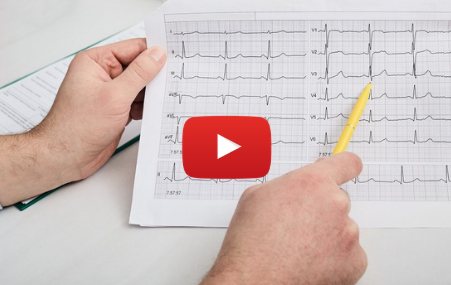
Cardiologists now say an inexpensive inflammation test belongs next to your cholesterol. Most standard panels still leave it off.
 

”

"It is a capital mistake to theorize before one has data."

Sherlock Holmes, A Scandal in Bohemia


Cut From Steel

HE PASSED THE TEST IN APRIL.

Tim Russert grew up in Buffalo, New York. His father was a sanitation worker everybody called Big Russ. After the war, Big Russ held two jobs so his four kids could go to Catholic school. His son later wrote a best-selling book about him called Big Russ and Me.

Russert took over Meet the Press in December 1991 and held the chair longer than any other host. Politicians feared his homework. He would put their own old words on the screen and ask them to explain. In 2008, Time named him one of the 100 most influential people in the world.

Russert took his heart seriously too. Doctors had found coronary artery disease before it caused him a single symptom. He took his medicine, and he kept exercising. On April 29, 2008, he did well on a stress test.

Six weeks later, on June 13, Russert collapsed at the NBC bureau in Washington while recording for that Sunday's show. A cholesterol plaque inside an artery had broken open, and a clot cut off the blood flow. He was 58.

You could argue he did everything right. A stress test shows how your heart handles hard work. It cannot tell you which plaque might break. Research ties inflammation to the plaque that breaks open, and one inexpensive blood test can measure it.


Your Annual Checkup Is Missing Something Critical

There’s a test that could tell you exactly what’s happening inside your arteries right now.

Doctors used to order it routinely.

Not anymore.

It disappeared from standard checkups.

Why?

Because what it reveals could change how millions of people think about heart health… and put billions in heart medication sales at risk.

You won’t get this test at your next physical.

But you can still find out what it checks for and what to do about it.

=> See the test doctors stopped ordering… and what they don’t want you to know

P.S. If your last checkup came back “normal,” that doesn’t mean your heart is safe. This test checks something most panels completely miss.


THE PAGE THAT SAID NORMAL

You probably sat in a paper gown this year while a doctor read your blood work. The LDL number sat under the line, and your blood sugar looked fine. You walked out believing the engine was sound.

I want you to know what that page leaves out. A cholesterol panel counts the fat moving through your blood. It says nothing about inflammation, the slow burn inside artery walls that can make plaque unstable. In other words, you learned how much fuel is in the tank. Nobody checked whether something under the hood is running hot.

You have probably been told that heart risk simply climbs with age. Age is part of it. For some men with perfectly normal cholesterol, though, the missing piece is a fire nobody measured.


IT'S NOT AGE. IT'S INFLAMMATION.

You can measure that fire with a blood test called high-sensitivity C-reactive protein, or hs-CRP. Three facts make it worth asking for.

01 / Cardiologists now want it on the page

American College of Cardiology experts published a statement in September 2025. It called for broad hs-CRP screening, alongside LDL cholesterol, for people with and without heart disease. Cardiologist Paul Ridker, one of its authors, said measuring it is at least as important as measuring cholesterol.

02 / Normal cholesterol is not the whole story

JUPITER, a 2008 trial, enrolled 17,802 people with LDL under 130 but an hs-CRP of 2 or higher. People given a statin had 44 percent fewer first major heart events than people on a placebo. The trial stopped early, and experts still debate how far to stretch it. For you the lesson is simpler... the inflammation number flagged risk that the cholesterol number missed.

03 / One reading can fool you

You can push CRP up for a while with a cold, an injury, or a hard workout. Mayo Clinic says doctors usually average two tests taken about two weeks apart. Harvard Health calls under 1 mg/L lower risk, 1 to 3 average, and above 3 higher risk.


Your cholesterol passed.
Nobody checked for the fire.


ASK FOR IT AT YOUR NEXT DRAW

You need one sentence at your next blood test: “Can you add a high-sensitivity CRP to my panel?” Harvard Health calls it an inexpensive test, and most insurers cover it. Skip the heavy workout the day before, and do not test while you are fighting a cold.

You may get a high number back. If it stays high on a second test, ask your doctor what it means for your overall risk. Harvard Health says a reading that stays high is a reason to talk about a statin, whatever your LDL says.

You also have levers that cost nothing. Harvard Health points to a Mediterranean-style diet, fish two or three times a week, and 150 minutes a week of moderate exercise. Staying away from cigarettes belongs on that list too.

I keep coming back to Tim Russert. He did his homework on everyone else, and he did a lot of it on his own heart. You owe yourself one more page of homework.

One last thing. Your cholesterol shows how much fuel is in the tank. It takes a second test to see if the engine is running hot.

— Travis


Insider Member's Corner

6 free habits that help cool the fire:

/ Ask for hs-CRP with your next cholesterol panel.
/ Eat fish twice a week. Salmon or mackerel.
/ Rest the day before a blood draw. A hard workout can bump the number.
/ Walk after dinner to blunt the sugar spike.
/ Ease off the nightcap. Booze wrecks deep sleep.
/ Lift heavy 3x a week. Muscle is the message.
 

Earned it: 3 things you want

You did the homework. Here is the reward.

01 / Watch · Seiko Prospex “Turtle” SRPE93

Seiko released the first Turtle diver in 1976. The cushion-shaped case looks like a turtle shell from above, which is how it got the name. Ed Harris wore an early one in the 1989 film The Abyss. The modern SRPE93 is rated to 200 meters and lists for around $495. You can wear it to the office and into the ocean on the same day.


02 / Drink · The Sidecar

The Sidecar showed up around the end of World War I, in Paris or London depending on who tells it. Paris's Ritz hotel claims it, and so does an old story about Buck's Club in London. You make it with cognac, orange liqueur, and fresh lemon juice. Recipes first appeared in print in 1922. Shake it hard and drink one slowly.


03 / Road trip · The Blue Ridge Parkway

The Blue Ridge Parkway runs 469 miles from Shenandoah National Park to Great Smoky Mountains National Park. Its speed limit tops out at 45 mph, and in places it drops lower. That is the point of the drive. You are not there to make time. Take a week, leave the schedule at home, and pull over at every overlook that calls you.


P.S. Before you buy a supplement that promises to calm inflammation, fix the free stuff first. Walk most days, eat fish twice a week, and get the hs-CRP test so you know your starting number. A pill cannot prove it did anything if you never had a number to begin with.


The 45 Club is for men who decided to fight back. This letter is general information, not medical advice. Talk to a doctor before changing what you take or how you train, especially if you're on medication.