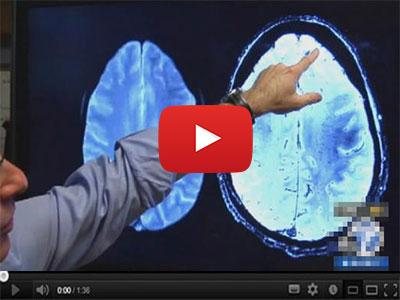
People told they had high blood pressure at 35 to 44 were 61% more likely to develop dementia. Most never felt a thing.
 

”

"Lost time is never found again."

Benjamin Franklin, The Way to Wealth


Cut From Steel

HE DANCED ON A DESK IN HIS NINETIES.

Dick Van Dyke was born in West Plains, Missouri, in 1925. He grew up in Danville, Illinois, where he was known as the class clown. By the early 1960s he had his own sitcom on CBS.

Van Dyke played a chimney sweep next to Julie Andrews in Mary Poppins in 1964. Broadway gave him a Tony for Bye Bye Birdie. Behind the fame, he fought a long battle with alcohol. He got sober in the 1970s and talked about it in public, back when most stars kept that kind of struggle private.

Van Dyke kept working long after most men retire. In his seventies he played a doctor who solved murders on TV. Past 90, he jumped onto a desk and danced in Mary Poppins Returns. At 98 he became the oldest person ever to win a Daytime Emmy.

Van Dyke turned 100 in December 2025. He told ABC News he went to the gym three days a week and had no aches or pains. His wife, Arlene, got the credit, and he called her a health nut. One bad leg cost him some movement. He said he still tried to dance anyway.

You do not get that kind of hundredth birthday by luck alone. The man dancing at 100 was built by the habits he kept at 50. Your brain works the same way. The care you give it in your fifties may decide how sharp you are at 80.


Not Every Lever for Memory Is in the Bedroom

The forgetting in question is the everyday kind: where you left your keys, and the bigger things, like names, faces and dates.

Memory researchers at the University of New Mexico recommend you stop one everyday kitchen habit.

One small change. According to the researchers, it can strengthen your memory and sharpen your focus, starting today. Over 47,000 people have already made this simple change.

==> See the kitchen habit to drop


THE NUMBER YOU NEVER FEEL

You probably think of blood pressure as a heart problem. The nurse squeezes the cuff, the doctor glances at the number, and the visit moves on. Memory almost never comes up in that conversation.

I want you to think of it as a brain number too. Your brain runs on thousands of tiny blood vessels. Years of high pressure can stiffen those vessels over time. In other words, the force that strains your heart also wears on the parts of you that remember.

You will not feel any of this happen. Mayo Clinic says most people with high blood pressure have no symptoms, even when readings reach dangerous levels.


IT'S NOT AGE. IT'S YOUR BLOOD PRESSURE.

You have been told that a slipping memory comes with getting older. Research points to a cause you can measure tonight. Three findings make the case.

01 / The damage can start early

UK Biobank data, published in 2021 in the journal Hypertension, compared more than 124,000 people with high blood pressure to people without it. People diagnosed at 35 to 44 were 61 percent more likely to develop dementia. A diagnosis at 45 to 54 was linked to a 45 percent higher risk of vascular dementia. Brain scans showed less brain volume in every group with high pressure.

02 / Nearly half of adults have it

CDC figures show about 48 percent of American adults have high blood pressure. Only about 1 in 4 of them have it under control. About 1 in 6 people with high blood pressure do not know they have it.

03 / Lowering it may protect memory

SPRINT MIND, a large US trial, followed more than 9,000 adults with high blood pressure. People treated to a top number under 120 had a 19 percent lower rate of new mild memory problems than people treated to under 140. Dementia alone did not drop by a clear margin. Even so, a 2024 Lancet Commission report lists high blood pressure among 14 risks that, together, may account for nearly half of dementia cases.


You called it a senior moment.
Your arteries called it twenty years of pressure.


TAKE THE READING TONIGHT

You can start this week without a prescription. Buy a home blood pressure monitor with a cuff that fits your upper arm. Yale Health suggests resting at least 5 minutes first, with both feet flat on the floor. Take two readings a minute apart, once in the morning and again before supper. Write every number down for several days.

You then bring that list to your doctor. A page of home readings tells a fuller story than one number taken in a cold exam room. Ask one direct question: “Is my pressure low enough to protect my brain, not just my heart?”

You have more control here than with most memory risks. Walking every day can help bring the number down. Cutting back on salt may help too, along with drinking less. When those changes fall short, medication is a tool rather than a defeat.

One last thing. You will never feel the pressure rising. Twenty years from now, your memory will.

— Travis


Insider Member's Corner

6 free habits that keep blood flowing to your brain:

/ Check your blood pressure at home. Morning and evening, write it down.
/ Walk every day. Your brain gets the blood flow too.
/ Go easy on salt. Packaged food hides most of it.
/ Ease off the nightcap. Booze wrecks deep sleep.
/ 10 min morning light to set your sleep clock.
/ Lift heavy 3x a week. Muscle is the message.
 

Earned it: 3 things you want

Things worth staying sharp for.

01 / Motorcycle · Moto Guzzi V7

Moto Guzzi has built motorcycles in Mandello del Lario, Italy, since 1921. The first V7 arrived in 1967 with a sideways V-twin that still defines the brand. Today’s V7 Stone runs an 853cc air-cooled engine with about 67 horsepower. It lists at $9,990 in the US. You ride it slow on purpose.


02 / Whisky · Laphroaig 10

Laphroaig has made whisky on the south coast of Islay since 1815. Part of its barley is dried over burning Islay peat, so the glass smells like a beach bonfire. King Charles granted it a Royal Warrant on a 1994 visit, when he was still Prince of Wales. Add a few drops of water and take your time.


03 / Book · The Killer Angels

Michael Shaara put you inside the heads of the men at Gettysburg across three days in July 1863. The novel won the Pulitzer Prize for fiction in 1975. Shaara survived a heart attack at 36 and kept writing. The 1993 film Gettysburg was based on this book. Read it slowly, with the TV off.


P.S. Before you buy a pill that promises a sharper memory, fix the free stuff first. A home blood pressure monitor is a one-time purchase, and it tracks a risk the research keeps pointing back to. Know your number, then decide what else you need.


The 45 Club is for men who decided to fight back. This letter is general information, not medical advice. Talk to a doctor before changing what you take or how you train, especially if you're on medication.