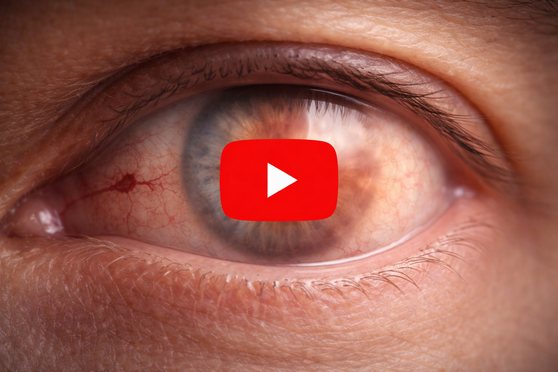
THE MINUTE THE LIGHTS WENT OUT
You are reading the paper at the kitchen table. A gray shade slides down over your left eye, like a curtain falling. Thirty seconds later, it lifts. Everything looks normal again.
You rub your eye, blame the reading glasses, and finish your coffee. I want to stop you right there.
I would have done the same thing a few years ago. A minute of blur does not feel like an emergency. Nothing hurts, and the world comes right back.
|
IT'S NOT YOUR GLASSES. IT'S A WARNING.
You may hear this called a mini-stroke of the eye. Doctors call it amaurosis fugax. Three facts explain why it matters.
01 / A tiny clot can cause it
Cleveland Clinic describes it as a temporary, painless loss of vision, often like a curtain falling. It usually lasts seconds to minutes. A small clot or a fragment of plaque, often from a narrowed carotid artery in the neck, can briefly cut off blood to the eye. Cleveland Clinic lists it as a possible sign of a transient ischemic attack, a short-lived stroke.
02 / The brain may be next
The same loose debris that reached your eye can reach your brain. In one large study, 22.8 percent of people with a stroke-like eye event had a stroke or mini-stroke within a year. Nearly 1 in 10 had one on the same day the eye problem was found. In other words, the eye may be the early warning for the brain.
03 / The clock is short
The American Academy of Ophthalmology says stroke risk is very high right after an eye stroke and for up to four weeks. Doctors may order an ultrasound of the carotid arteries, along with heart and vessel scans. Treatment for a true eye stroke may only help within hours.
|
TREAT IT LIKE A STROKE
You should treat any sudden vision loss as an emergency, even if it clears. Cleveland Clinic says to call 911 or go to the ER. Tell them exactly what happened and how long it lasted. Let someone else drive, or call an ambulance.
You should also mention any past episode to your doctor, even one from months ago. It may change how closely they watch your carotid arteries and your blood pressure.
You can also learn BE FAST, the stroke check. The letters stand for balance, eyes, face, arms, speech, and time. Sudden changes in vision, in one eye or both, are the E.
I would also work on the pipes before anything happens. High blood pressure, smoking, diabetes, high cholesterol, and atrial fibrillation all raise the risk. Atrial fibrillation is an irregular heartbeat that can throw clots, so mention any fluttering in your chest. Every one of these risks can be checked, and most can be improved.
One last thing. A curtain that lifts is not an all-clear. Make the call.
— Travis
|